-
Shop
- Advanced Technologies
- AI Career Advantage Collection
- AI Skills Mastery 2026 Collection
- Beauty
- Best-Sellers
- Car Accessories
- Car Buying & Ownership
- Dating & Social Confidence
- Dating & Social Skills
- Denim
- 7FOR
- AGOLDE
- Antony Morato
- Armani Exchange
- Boss
- Brunello Cucinelli
- Calvin Klein Jeans
- Costume National
- Desigual
- Diesel
- Dolce & Gabbana
- Dsquared²
- Ermanno Scervino
- Fendi
- Gianni Lupo
- Guess Jeans
- Ichi
- Just Cavalli
- Lee
- Levi's
- Liu Jo
- Morgan De Toi
- Mother Denim
- Only
- Pepe Jeans
- Pinko
- Replay
- Valentino
- Vero Moda
- Digital Resources
- Education & Learning
- Family & Parenting
- Fashion
- Fashion Accessories
- Financial Education
- Gadgets
- Health & Beauty
- Health & Wellness
- Home & Garden
- Home Decor
- Home Styling & Organization
- Home Supplies
- Kids & Babies
- Kitchen
- Patio, Lawn & Garden
- Personal Growth
- Pet Care
- Pet Supplies
- Pets
- Sport & Outdoors
- Super Deals
- Wealth Building
- Budgeting & Saving
- Cryptocurrency Investing
- Debt Management
- Entrepreneurship & Business Growth
- Family Finance & Budgeting
- Financial Independence
- Financial Mindset & Psychology
- Financial Planning
- Frugal Living & Expense Hacks
- Goal Setting
- High-Income Skills
- Investing Basics
- Leadership
- Motivation
- Networking & Mentorship
- Passive Income Strategies
- Real Estate Investing
- Side Hustles
- Stock Market Investing
- Popular
- Best deals
Best Air Purifier for Chemo Patients: HEPA, Size, Noise
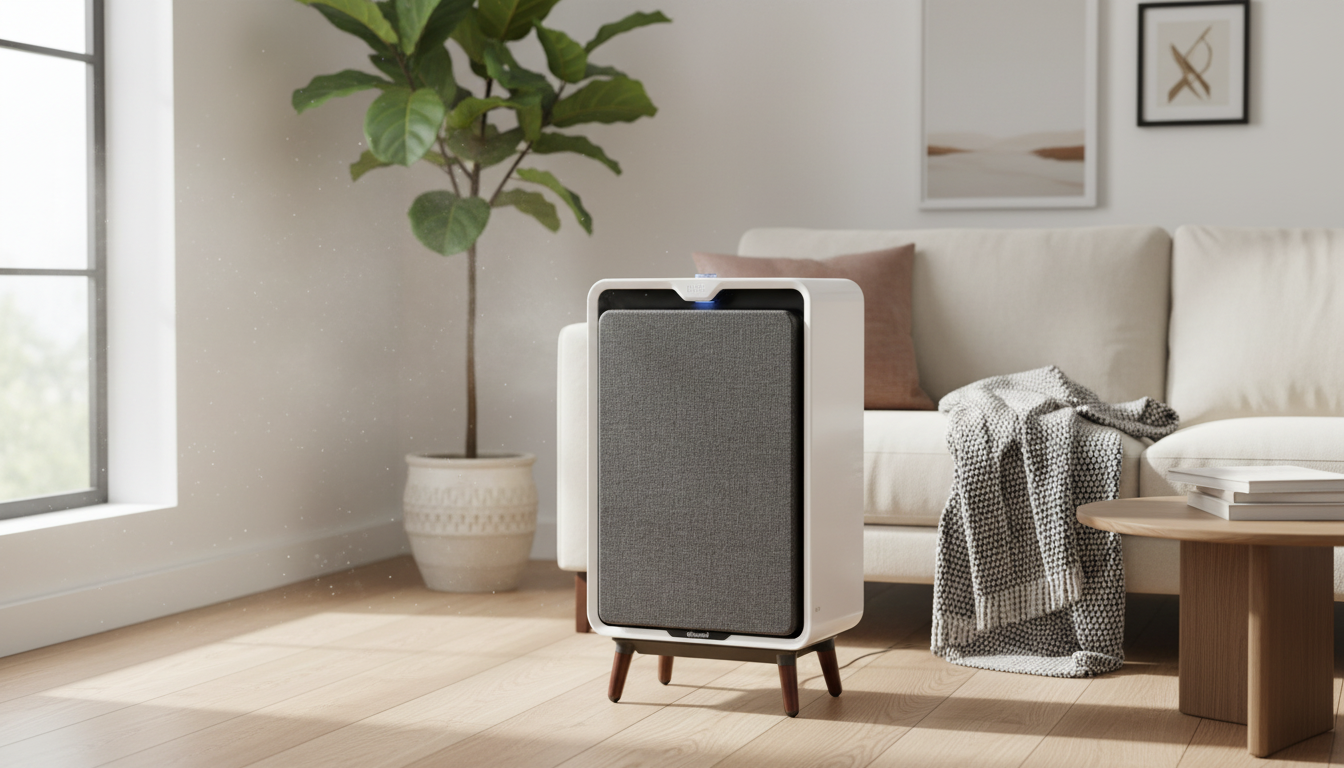
What is the best air purifier for chemo patients?
The best air purifier for chemo patients is one that combines true HEPA filtration with enough capacity to clean the room’s air multiple times per hour, while staying quiet and easy to maintain. Chemotherapy can increase sensitivity to odors, dust, and respiratory irritants, so the priority is consistent particle removal (like pollen, mold spores, smoke particles, and pet dander) rather than added fragrances or “ionizing” features.
What to look for in an air purifier during chemotherapy
True HEPA filter: Choose a purifier labeled “True HEPA” (or HEPA H13/H14 when available). This helps capture very small airborne particles that can aggravate breathing and allergies.
Right size for the room: Match the purifier’s coverage to the bedroom or recovery space. A model that’s too small won’t keep up; a unit that can run effectively on a lower (quieter) speed is often more comfortable day to day.
Low noise and simple controls: Sleep and rest matter. Look for a “sleep mode,” dimmable lights, and a stable low setting that still moves meaningful air.
Avoid ozone-producing features: Skip “ozone generators” and be cautious with ionizers if they can’t be disabled. Ozone can irritate airways, which is the opposite of what a patient needs.
Optional carbon filter for odors: If cooking smells, wildfire smoke, or chemical odors are an issue, an activated carbon filter can help, but it should complement (not replace) HEPA filtration.
Practical setup tips for a safer, more comfortable space
Place the purifier where air can circulate freely (not tucked behind furniture) and keep interior doors consistent—either mostly open or mostly closed—so the unit can effectively clean the intended area. Replace filters on schedule, especially during high-smoke seasons or if pets are in the home. For a deeper breakdown of features, sizing, and what to avoid, see the full guide: What is the best air purifier for chemo patients?
FAQ
Should chemo patients use a humidifier along with an air purifier?
Sometimes, yes—especially if treatment causes dry mouth or nasal passages. Keep humidity around 30–50% and clean the humidifier frequently to prevent mold or bacterial growth.
Recommended for you


Glossy Resin Floor Sculpture for Modern Interiors
Jul 16, 2026











Leave a comment