-
Shop
- Advanced Technologies
- AI Career Advantage Collection
- AI Skills Mastery 2026 Collection
- Beauty
- Best-Sellers
- Car Accessories
- Car Buying & Ownership
- Dating & Social Confidence
- Dating & Social Skills
- Denim
- 7FOR
- AGOLDE
- Antony Morato
- Armani Exchange
- Boss
- Brunello Cucinelli
- Calvin Klein Jeans
- Costume National
- Desigual
- Diesel
- Dolce & Gabbana
- Dsquared²
- Ermanno Scervino
- Fendi
- Gianni Lupo
- Guess Jeans
- Ichi
- Just Cavalli
- Lee
- Levi's
- Liu Jo
- Morgan De Toi
- Mother Denim
- Only
- Pepe Jeans
- Pinko
- Replay
- Valentino
- Vero Moda
- Digital Resources
- Education & Learning
- Family & Parenting
- Fashion
- Fashion Accessories
- Financial Education
- Gadgets
- Health & Beauty
- Health & Wellness
- Home & Garden
- Home Decor
- Home Styling & Organization
- Home Supplies
- Kids & Babies
- Kitchen
- Patio, Lawn & Garden
- Personal Growth
- Pet Care
- Pet Supplies
- Pets
- Sport & Outdoors
- Super Deals
- Wealth Building
- Budgeting & Saving
- Cryptocurrency Investing
- Debt Management
- Entrepreneurship & Business Growth
- Family Finance & Budgeting
- Financial Independence
- Financial Mindset & Psychology
- Financial Planning
- Frugal Living & Expense Hacks
- Goal Setting
- High-Income Skills
- Investing Basics
- Leadership
- Motivation
- Networking & Mentorship
- Passive Income Strategies
- Real Estate Investing
- Side Hustles
- Stock Market Investing
- Popular
- Best deals
Ceramic Butter Keeper Explained: The Water-Seal Trick
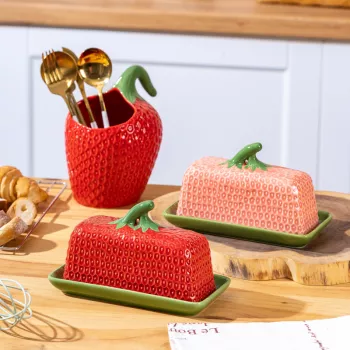
How does a ceramic butter keeper work?
A ceramic butter keeper (also called a butter bell) keeps butter soft and spreadable by sealing it in a small water barrier. Instead of refrigerating a stick that turns rock-hard, you pack softened butter into the lid (the “bell”), then place that lid upside down into the base, which holds a little water. The water creates an air-tight seal that limits oxygen exposure and helps slow spoilage while protecting butter from odors and drying out.
The simple water-seal method
The base is filled with a small amount of cool water, and the butter-packed bell sits inside it. Because the bell is submerged at the rim, outside air can’t freely circulate around the butter. With less oxygen contact, butter stays fresher longer and maintains a smooth, spreadable texture at room temperature.
Why ceramic matters
Ceramic is thick and insulating, so it helps buffer temperature swings on the counter. It also doesn’t transfer flavors easily, which is useful for keeping butter tasting clean. Many ceramic keepers are also heavy enough to feel stable during use, so you’re less likely to tip or slide it when you’re spreading.
How to use it day to day
Start with properly softened butter so it packs tightly into the bell without air pockets. Add fresh water to the base, invert the bell into place, and store it away from direct heat or sunlight. The key maintenance step is changing the water regularly—often every couple of days (more frequently in warm kitchens)—so the seal stays clean and effective.
For a deeper walkthrough, tips on packing butter, and storage best practices, visit https://elixirie.com/how-does-a-ceramic-butter-keeper-work/.
For Ceramic Butter Keeper Explained: The Water-Seal Trick, the best answer depends on fit, material, care instructions, and how the product will be used day to day.
FAQ
How often should you change the water in a butter keeper?
Change it every 2–3 days in a typical kitchen, and more often during hot or humid weather. Fresh water keeps the seal clean and helps prevent off smells or unwanted growth.














Leave a comment