-
Shop
- Advanced Technologies
- AI Career Advantage Collection
- AI Skills Mastery 2026 Collection
- Beauty
- Best-Sellers
- Car Accessories
- Car Buying & Ownership
- Dating & Social Confidence
- Dating & Social Skills
- Denim
- 7FOR
- AGOLDE
- Antony Morato
- Armani Exchange
- Boss
- Brunello Cucinelli
- Calvin Klein Jeans
- Costume National
- Desigual
- Diesel
- Dolce & Gabbana
- Dsquared²
- Ermanno Scervino
- Fendi
- Gianni Lupo
- Guess Jeans
- Ichi
- Just Cavalli
- Lee
- Levi's
- Liu Jo
- Morgan De Toi
- Mother Denim
- Only
- Pepe Jeans
- Pinko
- Replay
- Valentino
- Vero Moda
- Digital Resources
- Education & Learning
- Family & Parenting
- Fashion
- Fashion Accessories
- Financial Education
- Gadgets
- Health & Beauty
- Health & Wellness
- Home & Garden
- Home Decor
- Home Styling & Organization
- Home Supplies
- Kids & Babies
- Kitchen
- Patio, Lawn & Garden
- Personal Growth
- Pet Care
- Pet Supplies
- Pets
- Sport & Outdoors
- Super Deals
- Wealth Building
- Budgeting & Saving
- Cryptocurrency Investing
- Debt Management
- Entrepreneurship & Business Growth
- Family Finance & Budgeting
- Financial Independence
- Financial Mindset & Psychology
- Financial Planning
- Frugal Living & Expense Hacks
- Goal Setting
- High-Income Skills
- Investing Basics
- Leadership
- Motivation
- Networking & Mentorship
- Passive Income Strategies
- Real Estate Investing
- Side Hustles
- Stock Market Investing
- Popular
- Best deals
Smart Air Purifiers: Do They Really Improve Air Quality?
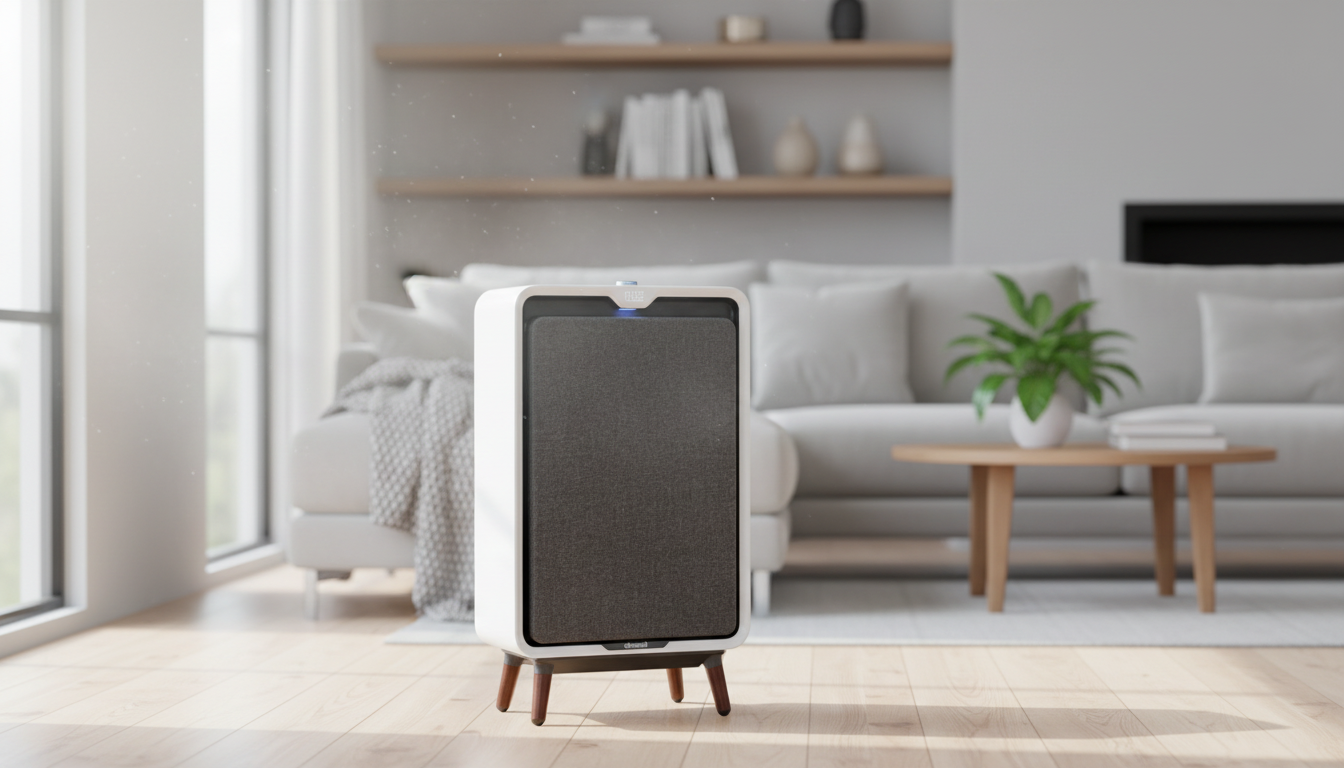
Do smart air purifiers really work?
Yes—smart air purifiers can work extremely well, but “smart” refers to the controls and automation, not a magical new filtration method. The real cleaning power still comes from the fan and the filter system inside (most commonly a HEPA or HEPA-like particle filter, plus an optional activated carbon layer for odors and gases). When the core filtration is solid, the smart features can make the purifier more effective in day-to-day use by keeping it running at the right times and speeds.
How smart features help (and when they don’t)
The most useful smart upgrades are air-quality sensors, auto mode, scheduling, and app alerts. A decent sensor can ramp up airflow during cooking, wildfire smoke events, or when pollen counts spike—then dial down later to reduce noise and energy use. Filter-life tracking and notifications can also prevent a common problem: a purifier that’s technically “on” but no longer performing because the filter is overdue for replacement.
That said, some “smart” models use basic sensors that mainly detect larger particles or respond slowly. If the purifier is undersized for the room or runs at a low fan speed, even great automation won’t deliver meaningful changes. Coverage area (CADR/room size), true HEPA performance, and proper placement matter more than app controls.
What results to expect
In a correctly sized room, a quality smart purifier can noticeably reduce airborne dust, smoke, and allergy-triggering particles over time—especially when doors and windows are kept mostly closed. Odors can improve too, but only if the unit has enough activated carbon and sufficient airflow. For ongoing issues like heavy VOCs, mold sources, or persistent smoke infiltration, air purifiers are a helpful layer, not a full fix.
For a deeper breakdown of what matters most when choosing one, visit the main guide on smart air purifiers.
FAQ
What’s the difference between HEPA and activated carbon filters?
HEPA targets tiny airborne particles like pollen, dust, and smoke. Activated carbon is designed to adsorb odors and certain gases, and it works best when there’s a substantial amount of carbon, not just a thin coating.
Recommended for you


Plush Hoodie Winter Vest for Small Dogs & Cats
Jul 21, 2026












Leave a comment