-
Shop
- Advanced Technologies
- AI Career Advantage Collection
- AI Skills Mastery 2026 Collection
- Beauty
- Best-Sellers
- Car Accessories
- Car Buying & Ownership
- Dating & Social Confidence
- Dating & Social Skills
- Denim
- 7FOR
- AGOLDE
- Antony Morato
- Armani Exchange
- Boss
- Brunello Cucinelli
- Calvin Klein Jeans
- Costume National
- Desigual
- Diesel
- Dolce & Gabbana
- Dsquared²
- Ermanno Scervino
- Fendi
- Gianni Lupo
- Guess Jeans
- Ichi
- Just Cavalli
- Lee
- Levi's
- Liu Jo
- Morgan De Toi
- Mother Denim
- Only
- Pepe Jeans
- Pinko
- Replay
- Valentino
- Vero Moda
- Digital Resources
- Education & Learning
- Family & Parenting
- Fashion
- Fashion Accessories
- Financial Education
- Gadgets
- Health & Beauty
- Health & Wellness
- Home & Garden
- Home Decor
- Home Styling & Organization
- Home Supplies
- Kids & Babies
- Kitchen
- Patio, Lawn & Garden
- Personal Growth
- Pet Care
- Pet Supplies
- Pets
- Sport & Outdoors
- Super Deals
- Wealth Building
- Budgeting & Saving
- Cryptocurrency Investing
- Debt Management
- Entrepreneurship & Business Growth
- Family Finance & Budgeting
- Financial Independence
- Financial Mindset & Psychology
- Financial Planning
- Frugal Living & Expense Hacks
- Goal Setting
- High-Income Skills
- Investing Basics
- Leadership
- Motivation
- Networking & Mentorship
- Passive Income Strategies
- Real Estate Investing
- Side Hustles
- Stock Market Investing
- Popular
- Best deals
1800W 1432Wh LiFePO4 Power Station: Camping & Backup
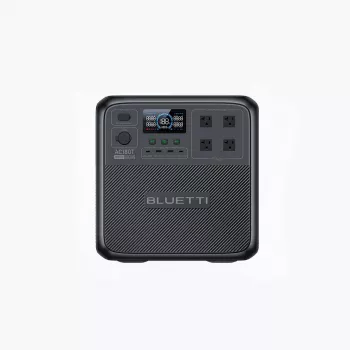
1800W Portable Power Station (1432Wh LiFePO4) for Camping & Emergency Power
A 1432Wh LiFePO4 power station with 1800W output can cover the essentials during outages and make camp power feel effortless—if the wattage, ports, and charging options match the gear being used. This guide breaks down practical capabilities, realistic runtimes, and day-to-day use considerations so planning feels straightforward instead of guessy.
What this power station is designed to handle
An 1800W portable power station is built for light-to-moderate loads that matter most when the grid is down or the campsite is far from hookups. Think “reliable household and outdoor essentials,” not “whole-home backup.”
- Runs common essentials within an 1800W continuous output envelope, including small appliances, tools, and multiple device chargers at once.
- Stores 1432Wh of energy for overnight and multi-day use with smart power budgeting.
- LiFePO4 chemistry prioritizes longevity and thermal stability compared with many older lithium-ion packs.
- Works as a quiet alternative to fuel generators for light-to-moderate loads where indoor-friendly power matters.
Key specs that matter day to day
Two numbers drive most real-world outcomes: watt-hours (how much energy is stored) and watts (how much can be delivered at once). After that, charging flexibility and protections shape how smoothly it fits into daily use.
- Capacity (1432Wh): influences runtime more than anything else; plan around watt-hours, not just wattage.
- Inverter rating (1800W): determines what can be powered simultaneously; watch startup surges for motors and compressors.
- Battery type (LiFePO4): typically supports a higher number of charge cycles and consistent output over time.
- Recharge paths: the most useful stations support AC wall charging plus solar input for off-grid replenishment.
- Protection systems: look for overload, over-temperature, and short-circuit protection to reduce risk under heavy use.
| Item | Rule of thumb |
|---|---|
| Estimated usable energy | 1432Wh × 0.85 ≈ 1217Wh (allows for inverter/conversion losses) |
| Runtime estimate | Usable Wh ÷ device watts ≈ hours |
| Staying under 1800W | Add up watts of all running devices; keep margin for surges |
Ports and output strategy (avoiding overloads)
Most overload problems aren’t mysterious—they come from stacking “just one more thing” onto the AC inverter or forgetting that motors don’t start gently. A simple output strategy keeps the station stable and the battery lasting longer.
- Prioritize high-draw devices on AC outlets and keep USB ports for phones, tablets, headlamps, and cameras.
- Group low-watt chargers together; avoid mixing an already-high AC load with another big draw unless you’ve tested the combination.
- For heat-based appliances (kettles, space heaters, hair dryers), confirm continuous draw and consider using lower settings to extend runtime.
- For motor loads (mini fridge, CPAP humidifier, power tools), anticipate startup surges and test at home before relying on it outdoors.
Charging options: wall, vehicle, and solar
The best time to discover a charging limitation is at home—before a trip or before storm season. A flexible charging plan is what turns a large battery into dependable power over multiple days.
- AC charging: the fastest and most reliable way to top up before a trip or ahead of a storm.
- Vehicle charging: useful while driving between campsites; best treated as a slow-but-steady refill.
- Solar charging: enables multi-day off-grid use; performance depends on panel wattage, sun angle, temperature, and shading.
- Solar placement tips: avoid partial shade, tilt toward the sun, keep panels clean, and use appropriately rated cables/connectors to reduce losses.
For general appliance planning and energy awareness, the U.S. Department of Energy’s reference pages are a solid starting point: U.S. Department of Energy — Appliance Energy Use. For outage readiness and practical safety priorities, FEMA’s guidance is also helpful: FEMA — Power Outages.
Real-world runtime examples (1432Wh capacity)
Runtime depends on the average watts actually used (not the maximum on a label). Temperature, device efficiency, and whether you’re using AC conversion also change results. As a planning baseline, using about 1217Wh as “usable” energy after losses keeps expectations realistic.
| Device / Scenario | Typical draw (W) | Estimated runtime |
|---|---|---|
| Phone charging (multiple top-ups) | 10 | ~120 hours equivalent draw |
| Laptop (work or school) | 60 | ~20 hours |
| Camping lights (LED string) | 20 | ~60 hours |
| Wi‑Fi router + modem | 25 | ~48 hours |
| CPAP (no heated humidifier) | 40 | ~30 hours |
| Mini fridge average (cycling) | 70 | ~17 hours |
| Electric blanket (low) | 100 | ~12 hours |
| Microwave (short bursts) | 1000 | ~1.2 hours total on-time |
Camping setups that make the most of 1800W
Emergency home use: priorities during an outage
Battery care, storage, and cold-weather considerations
Setup checklist for the first day
In-stock picks
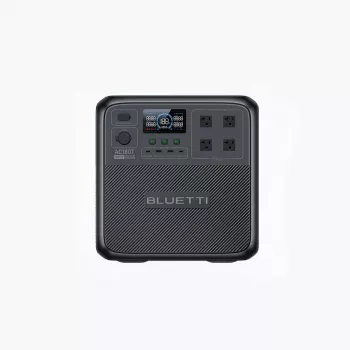
- 1800W Portable Power Station, 1432Wh LiFePO4 Solar Generator for Camping & Emergency
- Cute Cartoon Vanity Stool – Modern Minimalist Portable Shoe Changing Chair
FAQ
How long can a 1432Wh power station run a refrigerator?
Because refrigerators cycle on and off, use an average draw (often around 60–100W for efficient models). With roughly 1217Wh usable after losses, that’s about 12–20 hours in many cases, but warm rooms and frequent door openings can shorten runtime.
Can an 1800W power station run a microwave or coffee maker?
Many microwaves and coffee makers will run as long as their continuous wattage stays under 1800W and the station can handle startup surges. Plan on short bursts and avoid stacking other big loads at the same time to prevent overload shutoffs.
What does LiFePO4 change for camping and emergency use?
LiFePO4 batteries are known for long cycle life and stable performance, making them a strong fit for frequent trips, regular testing, and repeated outages. They still benefit from proper storage charge levels and avoiding very cold charging conditions.














Leave a comment