-
Shop
- Advanced Technologies
- AI Career Advantage Collection
- AI Skills Mastery 2026 Collection
- Beauty
- Best-Sellers
- Car Accessories
- Car Buying & Ownership
- Dating & Social Confidence
- Dating & Social Skills
- Denim
- 7FOR
- AGOLDE
- Antony Morato
- Armani Exchange
- Boss
- Brunello Cucinelli
- Calvin Klein Jeans
- Costume National
- Desigual
- Diesel
- Dolce & Gabbana
- Dsquared²
- Ermanno Scervino
- Fendi
- Gianni Lupo
- Guess Jeans
- Ichi
- Just Cavalli
- Lee
- Levi's
- Liu Jo
- Morgan De Toi
- Mother Denim
- Only
- Pepe Jeans
- Pinko
- Replay
- Valentino
- Vero Moda
- Digital Resources
- Education & Learning
- Family & Parenting
- Fashion
- Fashion Accessories
- Financial Education
- Gadgets
- Health & Beauty
- Health & Wellness
- Home & Garden
- Home Decor
- Home Styling & Organization
- Home Supplies
- Kids & Babies
- Kitchen
- Patio, Lawn & Garden
- Personal Growth
- Pet Care
- Pet Supplies
- Pets
- Sport & Outdoors
- Super Deals
- Wealth Building
- Budgeting & Saving
- Cryptocurrency Investing
- Debt Management
- Entrepreneurship & Business Growth
- Family Finance & Budgeting
- Financial Independence
- Financial Mindset & Psychology
- Financial Planning
- Frugal Living & Expense Hacks
- Goal Setting
- High-Income Skills
- Investing Basics
- Leadership
- Motivation
- Networking & Mentorship
- Passive Income Strategies
- Real Estate Investing
- Side Hustles
- Stock Market Investing
- Popular
- Best deals
Quiet Smart Air Purifier for Large Rooms (HEPA + Carbon)
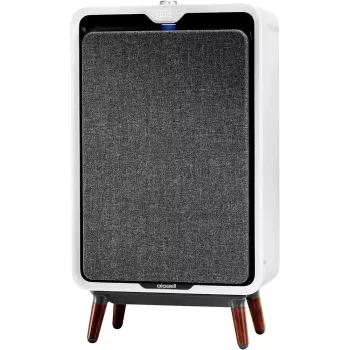
Smart Air Purifier with HEPA and Carbon Filters for Large Rooms: Quiet, Connected Cleaning
Cleaner indoor air can make a noticeable difference for comfort—especially in larger rooms where dust, smoke, and cooking odors can linger. A smart air purifier that combines a HEPA filter for particles with an activated carbon filter for odors and gases offers a practical setup for everyday homes, with quiet operation and app-based control to keep air quality steady without constant manual adjustments.
For a helpful baseline on what air cleaners can (and can’t) do, see guidance from the EPA and the CDC/NIOSH.
What a HEPA + Carbon Setup Helps With
A dual-stage approach is popular in homes because it targets both “stuff you can see” and “stuff you can smell.” In a large room, that combination can be especially useful because air is constantly mixing across a wider space.
- Captures fine airborne particles such as dust, pollen, and pet dander with a high-efficiency particle filter.
- Reduces odors from cooking, pets, and smoke using an activated carbon stage.
- Supports allergy-season comfort by continuously filtering recirculating air.
- Helps maintain a fresher-feeling space in open-plan living rooms and larger bedrooms.
- Pairs well with routine ventilation practices (kitchen/bath fans, periodic window airing when outdoor air is good).
HEPA filtration focuses on particles, while activated carbon is designed to adsorb odor-causing compounds and some gases. When both stages work together—and the unit is sized appropriately for the room—you get steadier everyday air quality without constantly “chasing” smells or dust buildup.
Smart Features That Make Daily Use Easier
Smart controls are less about novelty and more about consistency. When a purifier is easy to manage, it’s more likely to run often enough to matter—particularly in big rooms where occasional use may not keep up with daily activity.
- App control for adjusting fan speeds, scheduling, and monitoring from another room.
- Auto mode that can respond to changes in air quality for hands-off operation.
- Timer and schedule options for predictable daily routines (sleep, work, cooking hours).
- Notifications or reminders that help keep up with filter changes and performance over time.
- Child/pet-friendly convenience: fewer button presses and less temptation to “play” with settings.
Common smart functions and how they help at home
| Function | Practical benefit | Best time to use |
|---|---|---|
| Auto mode | Adjusts airflow as air quality changes | All day, especially with variable activities |
| Scheduling | Runs when needed without remembering | Morning/evening routines |
| Quiet/sleep mode | Lower noise while still filtering | Nighttime and naps |
| Filter reminders | Avoids degraded performance from overdue filters | Ongoing maintenance |
Quiet Operation for Bedrooms and Shared Spaces
Large rooms are often the rooms people live in most—family rooms, open-plan great rooms, and primary bedrooms—so noise matters. The goal is to keep air moving without turning the purifier into a distraction.
- Lower fan settings are typically suitable for nighttime use while keeping steady air turnover.
- Placement matters: set the unit away from headboards and reflective corners to reduce perceived noise.
- For large rooms, continuous medium speed can feel quieter than frequent ramp-ups from very low speeds.
- Use sleep mode for consistent noise levels; sudden fan changes can be more noticeable than a steady hum.
- Keep doors and vents unobstructed so the purifier doesn’t work harder than necessary.
Sizing and Placement Tips for a Large Room
Quick placement checklist
| Do | Avoid |
|---|---|
| Keep intake/exhaust clear on all sides | Tucking it tightly into a corner |
| Run higher speed during odor or smoke events | Assuming low speed is enough for a big room |
| Place near typical pollution sources (kitchen-adjacent areas, litter box zone) | Blocking airflow with furniture or drapes |
| Check doors/vents for better circulation | Ignoring HVAC filter condition if using central air |
For additional context on filtration and indoor air cleaning strategies, ASHRAE’s overview is a useful reference: Indoor Air Quality: Air Cleaners (ASHRAE).
Filter Care and Replacement Planning
Product Spotlight: Smart Air Purifier with HEPA and Carbon Filters for Large Room
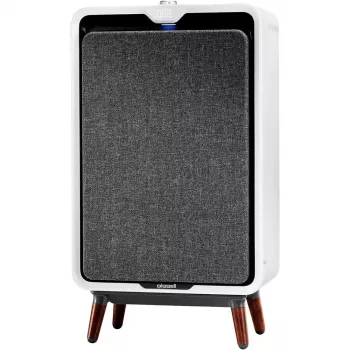
If the goal is quieter, more consistent air cleaning in a large shared space, the Smart Air Purifier with HEPA and Carbon Filters for Large Room, Quiet Home Cleaner is built around the combination many households look for: particle capture plus odor reduction, paired with smart control.
At-a-glance details
| Item | Details |
|---|---|
| Name | Smart Air Purifier with HEPA and Carbon Filters for Large Room, Quiet Home Cleaner |
| Price | 431.32 USD |
| Availability | In stock |
| Product page | View product |
More In-Stock Picks for a Comfortable Home Setup
- Cute Cartoon Vanity Stool – Modern Minimalist Portable Shoe Changing Chair for an entryway or bedroom corner to simplify shoe changes and keep routines tidy.
- Nordic Turnip Bear Floor Sculpture with Tray as a functional accent for holding small items (keys, remotes) so surfaces stay easier to wipe down.
- Only Women’s Classic Blue Jeans for an everyday wardrobe staple that fits right into an on-the-go household routine.
FAQ
Does a HEPA + carbon air purifier help with smoke and cooking odors?
Yes. HEPA filtration helps capture particulate smoke, while activated carbon can reduce many cooking and smoke odors; results depend on the amount of carbon, room size, and how well doors/windows are managed during heavy smoke events.
Where should an air purifier be placed in a large room?
Place it where airflow is clear—several inches from walls and not behind furniture or curtains. For faster improvement during specific activities, position it nearer to the main pollution source while keeping the intake and exhaust unobstructed.
How often should HEPA and carbon filters be replaced?
Replacement varies with usage, pets, cooking frequency, allergies, and local air conditions. Carbon often needs changing sooner if odors return, and it’s best to follow the purifier’s reminder system and the manufacturer’s guidance for your model.











Leave a comment