-
Shop
- Advanced Technologies
- AI Career Advantage Collection
- AI Skills Mastery 2026 Collection
- Beauty
- Best-Sellers
- Car Accessories
- Car Buying & Ownership
- Dating & Social Confidence
- Dating & Social Skills
- Denim
- 7FOR
- AGOLDE
- Antony Morato
- Armani Exchange
- Boss
- Brunello Cucinelli
- Calvin Klein Jeans
- Costume National
- Desigual
- Diesel
- Dolce & Gabbana
- Dsquared²
- Ermanno Scervino
- Fendi
- Gianni Lupo
- Guess Jeans
- Ichi
- Just Cavalli
- Lee
- Levi's
- Liu Jo
- Morgan De Toi
- Mother Denim
- Only
- Pepe Jeans
- Pinko
- Replay
- Valentino
- Vero Moda
- Digital Resources
- Education & Learning
- Family & Parenting
- Fashion
- Fashion Accessories
- Financial Education
- Gadgets
- Health & Beauty
- Health & Wellness
- Home & Garden
- Home Decor
- Home Styling & Organization
- Home Supplies
- Kids & Babies
- Kitchen
- Patio, Lawn & Garden
- Personal Growth
- Pet Care
- Pet Supplies
- Pets
- Sport & Outdoors
- Super Deals
- Wealth Building
- Budgeting & Saving
- Cryptocurrency Investing
- Debt Management
- Entrepreneurship & Business Growth
- Family Finance & Budgeting
- Financial Independence
- Financial Mindset & Psychology
- Financial Planning
- Frugal Living & Expense Hacks
- Goal Setting
- High-Income Skills
- Investing Basics
- Leadership
- Motivation
- Networking & Mentorship
- Passive Income Strategies
- Real Estate Investing
- Side Hustles
- Stock Market Investing
- Popular
- Best deals
100-Piece Quick-Release Oscillating Blades: Wood/Metal
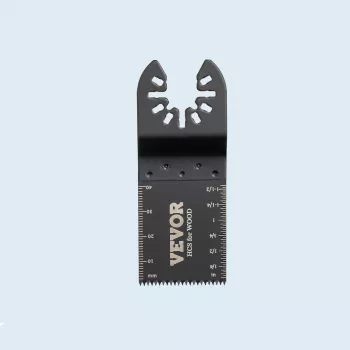
100-Piece Oscillating Saw Blade Set with Quick-Release Fit for Wood, Plastic, and Metal
A large oscillating blade assortment can turn one multitool into a jobsite problem-solver—flush cuts, plunge cuts, trimming, scraping, and detail work across wood, plastics, and light-gauge metals. This 100-piece quick-release blade set is designed for fast swaps and broad task coverage, helping reduce downtime when moving between materials and cut types.
What a 100-piece blade assortment helps accomplish
When a project shifts from trim to drywall to a surprise nail, the fastest way to keep momentum is having the right blade ready. A full assortment supports quick decisions and cleaner results, especially during repair and renovation work where every room seems to bring a new material.
- Keeps multiple blade styles on hand for common repairs: baseboards, door jamb undercuts, flooring transitions, drywall openings, and pipe access notches
- Reduces interruptions by pre-staging blades for wood, plastic, and metal instead of reusing a worn blade across materials
- Supports cleaner results with better blade-to-task matching (fine-tooth for controlled cuts, aggressive-tooth for fast removal, specialty edges for tight spaces)
- Ideal for mixed-material projects where a single cut may cross wood, nails, adhesives, or thin metal brackets
Quick-release compatibility and fit checks
Quick-release designs are meant to reduce fumble time between cuts, but fit and seating still matter. A blade that isn’t fully locked can chatter, wander, or damage the mount—especially during flush cuts where the tool body is close to the surface.
- Confirm the blade mount style matches the tool’s interface (many multitools accept universal-style mounts; some brands use proprietary fittings)
- Quick-release designs are meant to speed changes; always verify the blade is fully seated and locked before starting the tool
- If adapters are used, re-check clearance for flush cuts so the adapter does not interfere with trim or flooring
- For best control, keep the blade square to the surface and avoid side-loading that can loosen mounts or warp blades
Pre-use checklist for safer, cleaner cuts
| Check | Why it matters | Quick tip |
|---|---|---|
| Mount fully locked | Prevents slip and chatter | Tug the blade by hand before powering on |
| Blade type matches material | Reduces burning and premature dulling | Use fine teeth for clean wood cuts; metal-rated for nails/steel |
| Tool speed appropriate | Avoids melting plastics or overheating metal | Lower speed on plastic; moderate on metal |
| Workpiece supported | Improves accuracy and reduces vibration | Clamp trim or brace sheet goods |
| PPE ready | Limits injury from debris and noise | Use eye protection and hearing protection |
Choosing the right blade for wood, plastic, and metal
Oscillating tools reward the right blade choice more than brute force. Matching tooth pattern and material rating helps cuts track straighter, run cooler, and stay controlled—especially when you’re working near finished surfaces.
- Wood: use aggressive-tooth blades for fast rough cuts; fine-tooth blades for cleaner edges in trim and cabinetry
- Plastic: prefer finer teeth and lower tool speed to reduce melting and edge chipping; let the blade do the work
- Metal: select metal-rated blades and use moderate speed with light pressure to limit heat buildup and tooth damage
- Mixed-material wood with nails: expect faster dulling; switch to a blade intended for nail-embedded wood when available and keep a spare ready
Blade-to-task matching guide
| Task | Recommended blade style | Result to expect |
|---|---|---|
| Flush cut door casing for flooring | Flush-cut wood blade (fine to medium tooth) | Cleaner trim edge and better control near finished surfaces |
| Plunge cut into drywall | Plunge-cut blade (fine tooth) | More controlled entry and straighter opening |
| Trim PVC or plastic edging | Fine-tooth blade at low speed | Less melting and smoother cut |
| Cut small nails/brackets | Metal-rated blade | Slower cut with less tooth damage |
| Remove old caulk/adhesive | Scraper-style attachment (if included) | Faster surface cleanup with less gouging |
Performance tips: faster cuts, longer blade life
For safety fundamentals and consumer guidance, review resources from OSHA, hearing protection advice from NIOSH, and general power tool safety information from the CPSC.
Typical use cases for a large blade set
Product snapshot: 100-Piece Oscillating Saw Blade Set – Quick-Release Multitool Blades for Wood, Plastic & Metal
If the goal is keeping a multitool ready for whatever shows up next—wood today, PVC tomorrow, and a nail hiding in a stud—the 100-Piece Oscillating Saw Blade Set – Quick-Release Multitool Blades for Wood, Plastic & Metal is built around variety and fast changeovers.
At-a-glance details
| Item | Detail |
|---|---|
| Product | 100-Piece Oscillating Saw Blade Set – Quick-Release Multitool Blades for Wood, Plastic & Metal |
| Price | $38.51 USD |
| Availability | In stock |
| Best for | Renovation, trim work, mixed-material repairs, tool bag replenishment |
| Product page | View product |
Other practical add-ons for a productive workday
- Only Women’s Classic Blue Jeans for durable everyday wear on DIY and light jobsite tasks.
- Cute Cartoon Vanity Stool – Modern Minimalist Portable Shoe Changing Chair as a compact seat for a workbench corner, garage, or craft room when detail cuts and layout work take time.
FAQ
Will these oscillating blades fit any multitool?
Fit depends on your tool’s mounting interface. Many multitools accept universal-style mounts, while some brands require proprietary blades or an adapter—check the tool manual and confirm the mount type before purchase.
Can the same blade be used for wood and metal?
It’s not recommended for best results. Metal (and nail strikes) can dull wood blades quickly and increase heat, so switching to a metal-rated blade for nails or brackets helps protect both the blade and the cut quality.
How can blade life be extended when cutting plastic?
Run at a lower speed with light pressure and allow chips to clear so the plastic doesn’t overheat. Short, controlled passes reduce melting and help the teeth stay sharper longer.















Leave a comment